
Rear Shocks
Rear suspension systems for optimal traction and control
How to choose the right rear shocks
Rear Shocks for trail riding need to match terrain, speed, and the level of support or control you actually want. This page brings together 12 options from 5 brands so you can compare real differences in ride feel, reliability, and value.
Rear suspension systems for optimal traction and control Observed pricing runs from about EUR 649 to EUR 1145 depending on construction and tier.
Brand
Travel
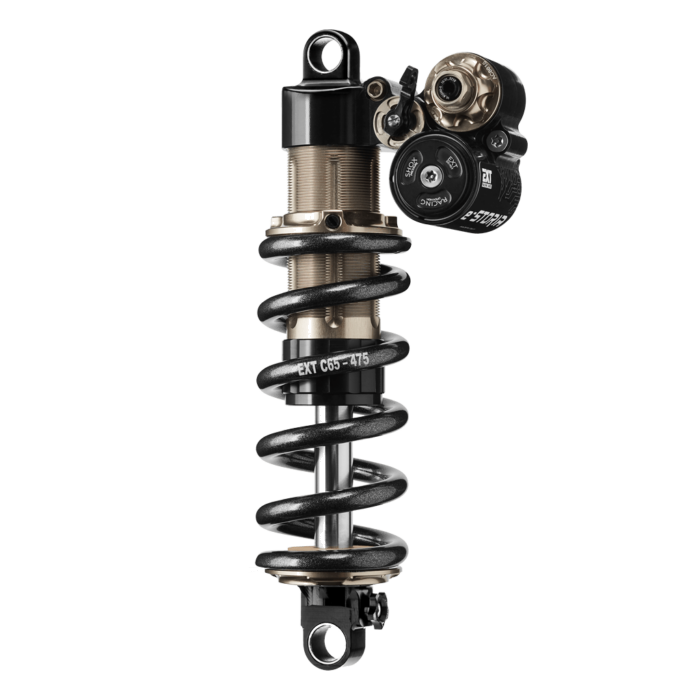
E-Storia
€1099E-bike dedicated damper with ultimate control
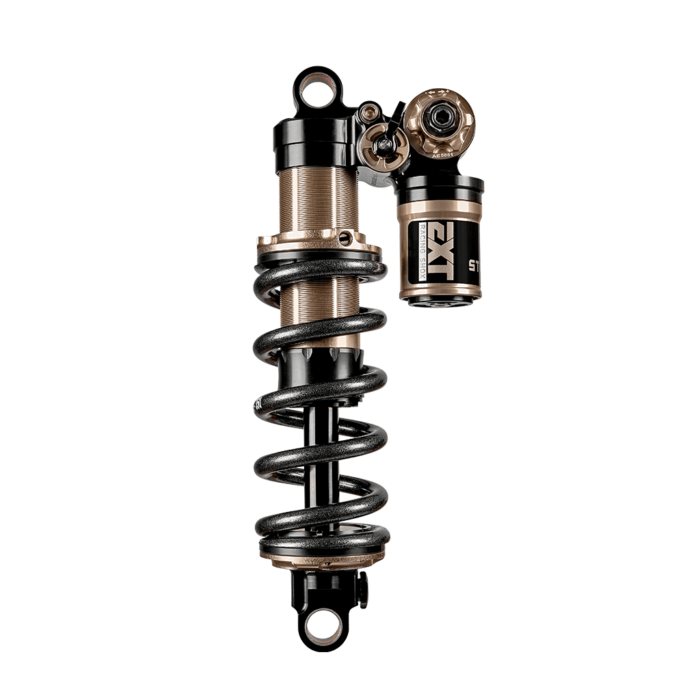
Storia V4
€1069Analog enduro shock with motorsport-derived technology
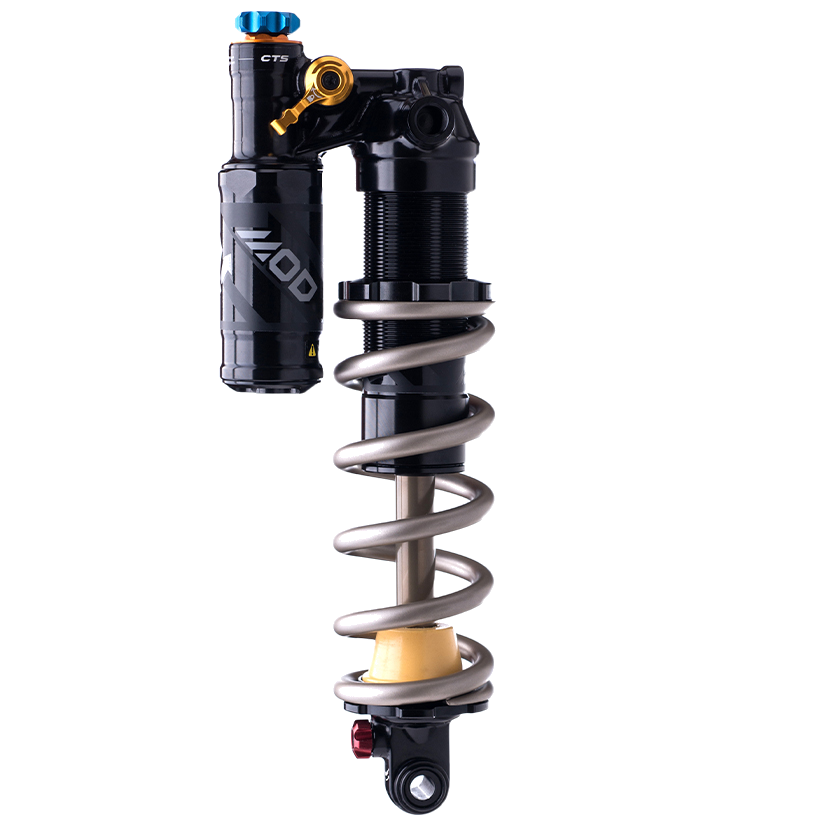
MOD
€799Enduro and all-mountain coil shock excellence
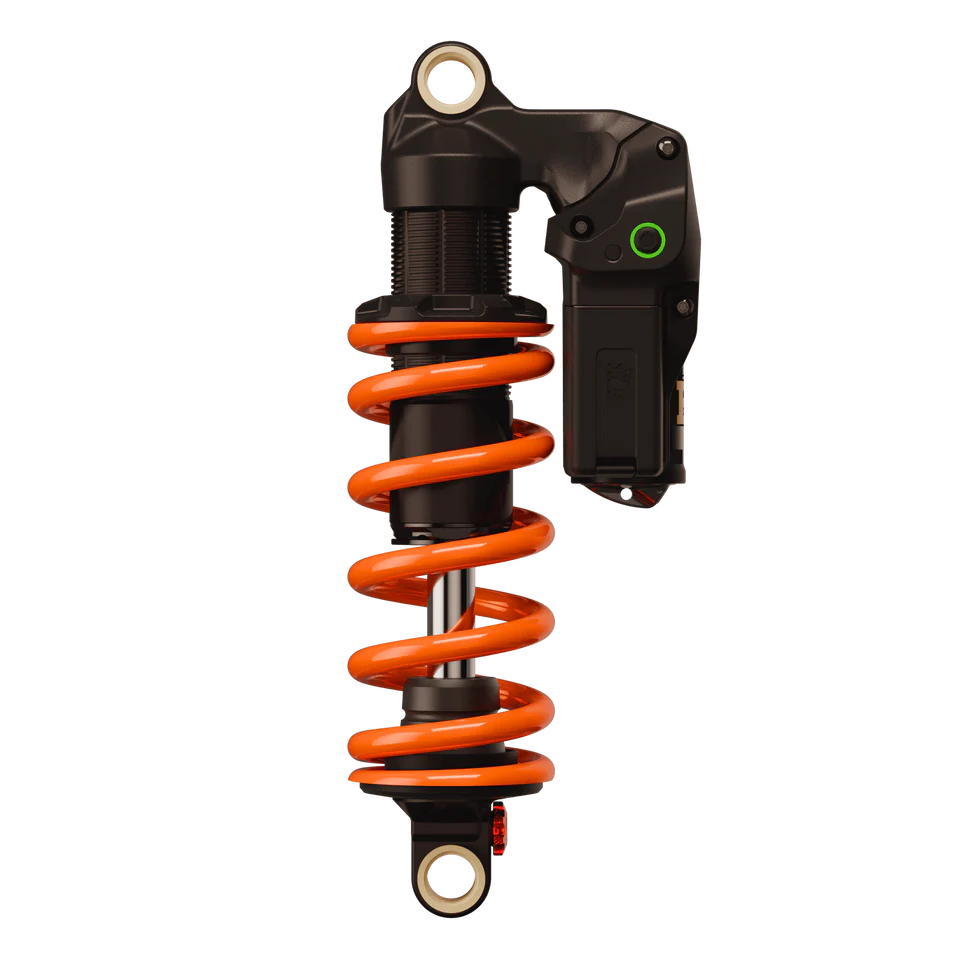
DHX Live Valve Neo
€999Wireless coil control that adapts to terrain in real time
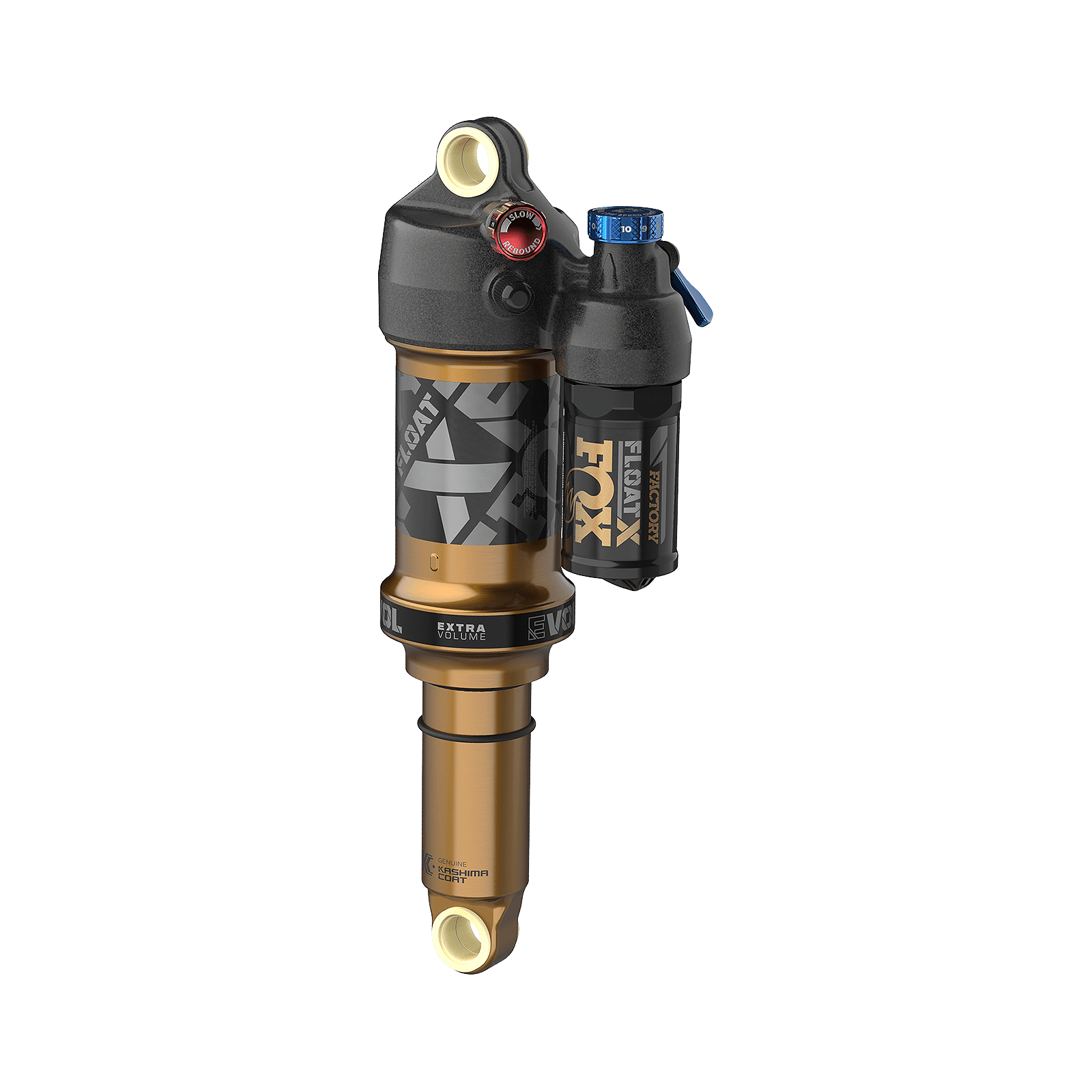
FLOAT X Factory
€699Master of All-Mountain suspension with fade-free performance
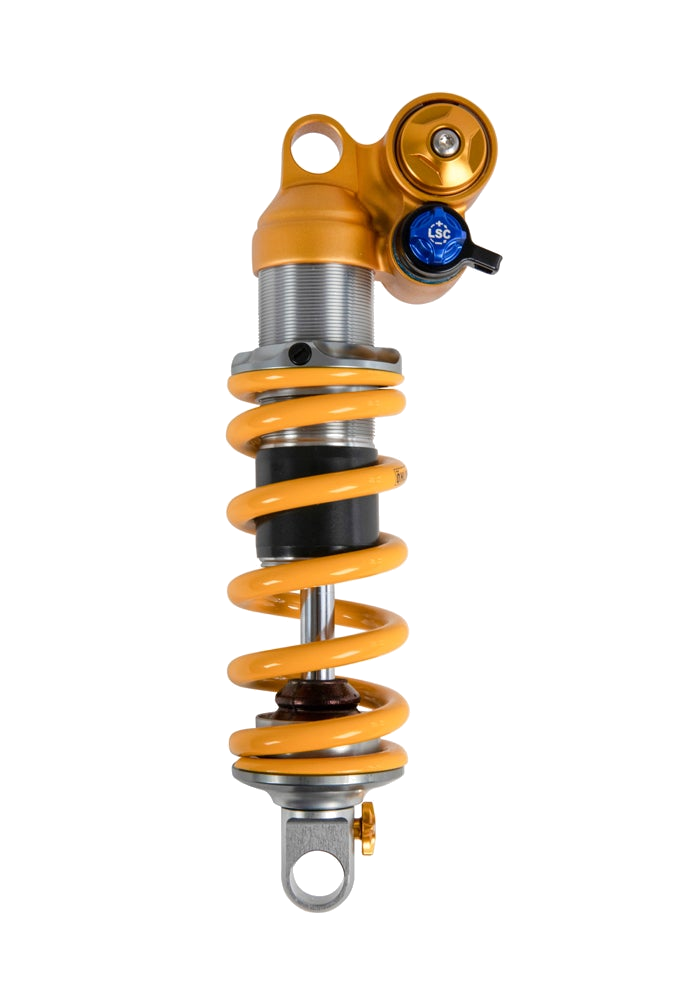
TTX22m.2 Coil
€949Professional gravity coil shock with refined end-stroke control
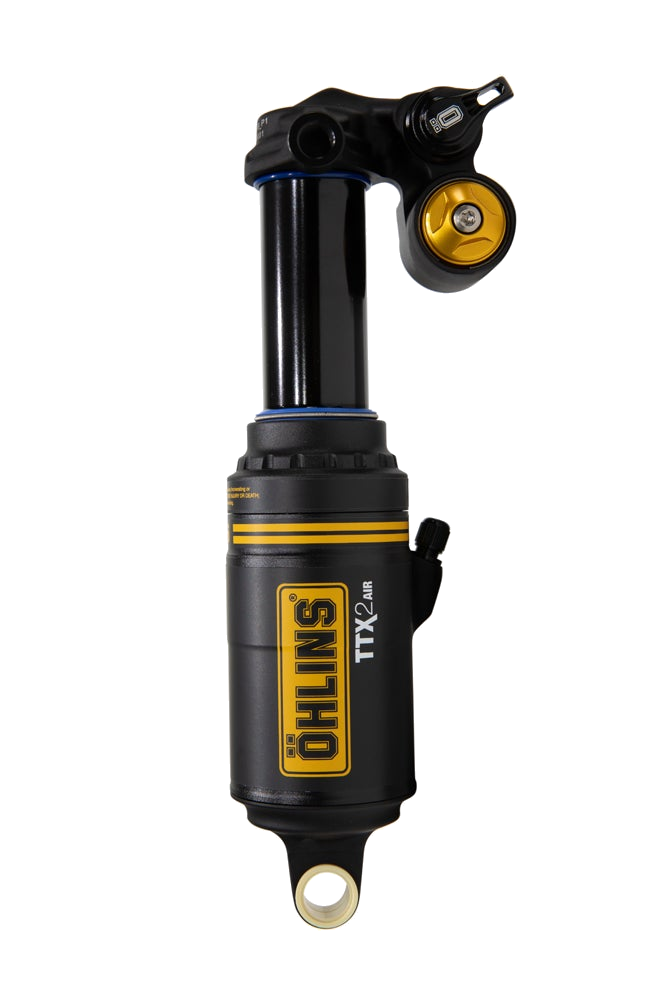
TTX2Air m.2
€899Premium double-can air shock with ultimate traction and control
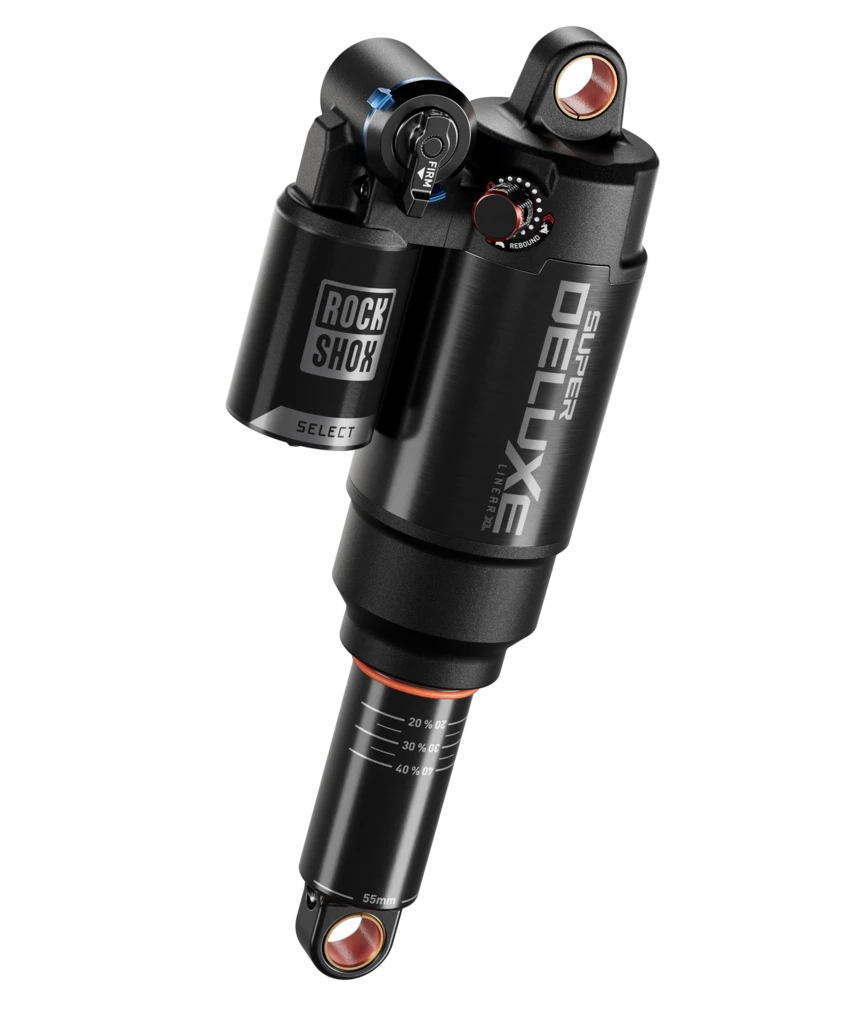
Super Deluxe Select
Threshold-equipped value trim for broad trail-bike use
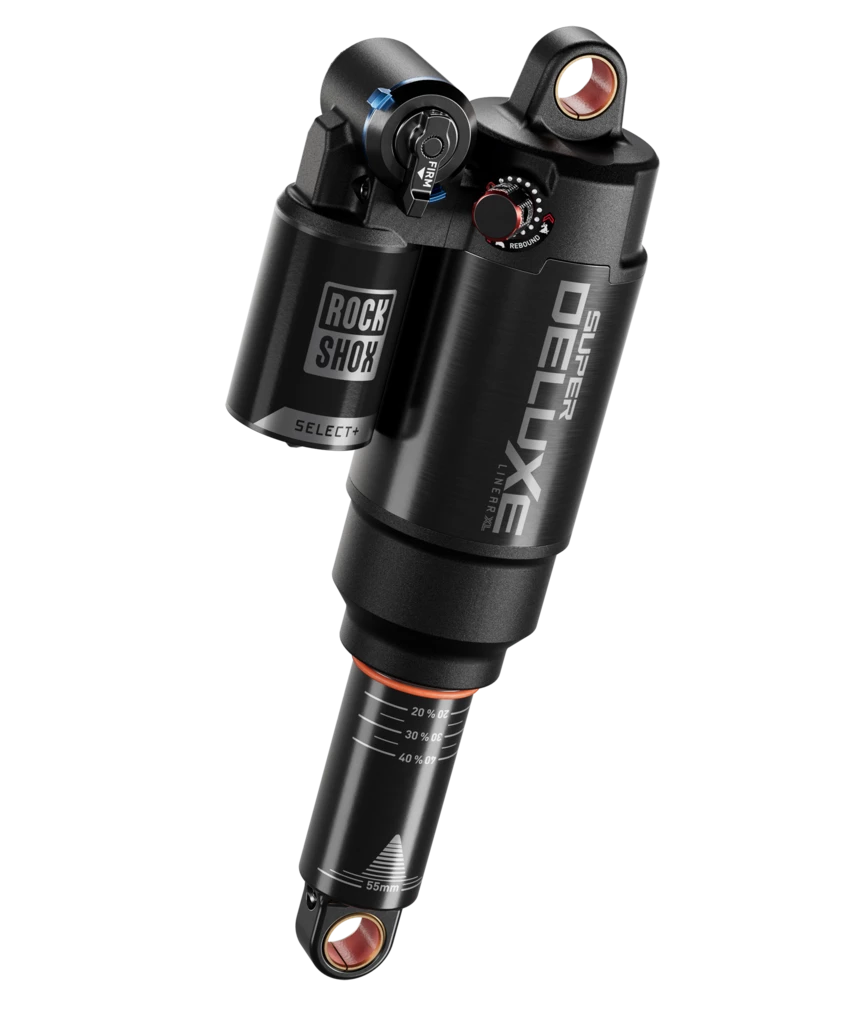
Super Deluxe Select+
Modern Super Deluxe chassis with RCT support at a more attainable trim
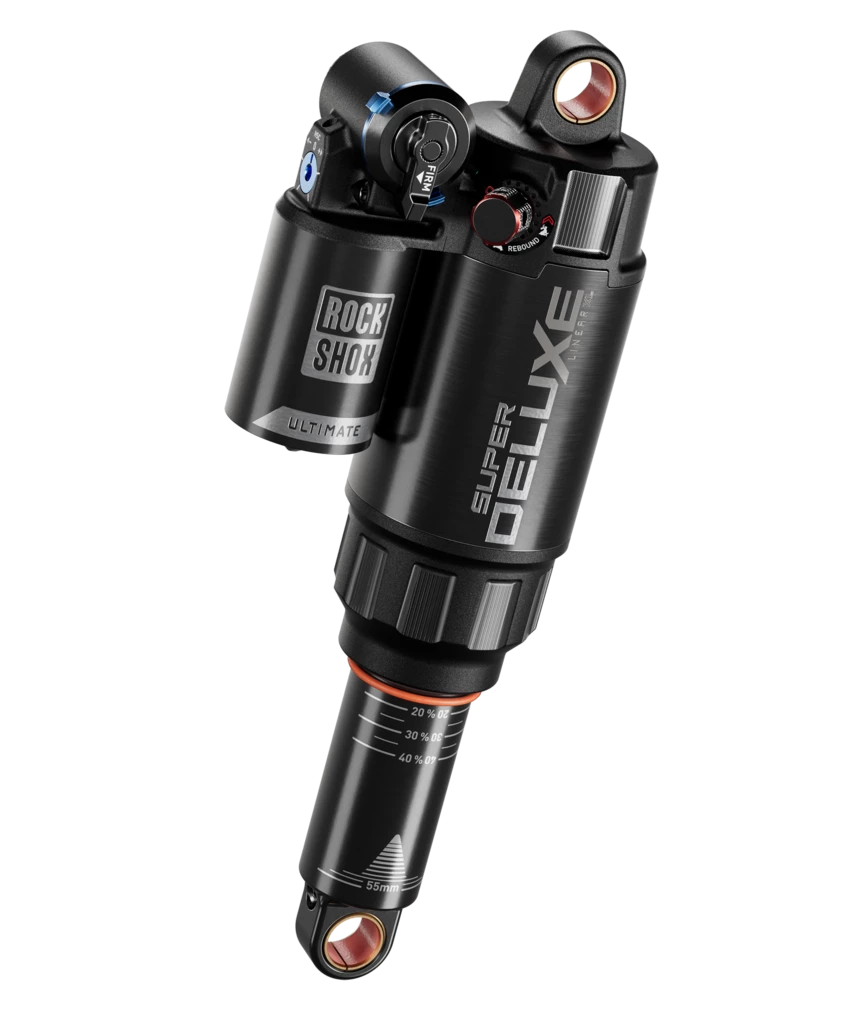
Super Deluxe Ultimate
€649Race-proven all-mountain performance with ultimate tunability
Super Deluxe Ultimate
Race-proven trail-to-enduro air shock with intuitive RC2T tuning
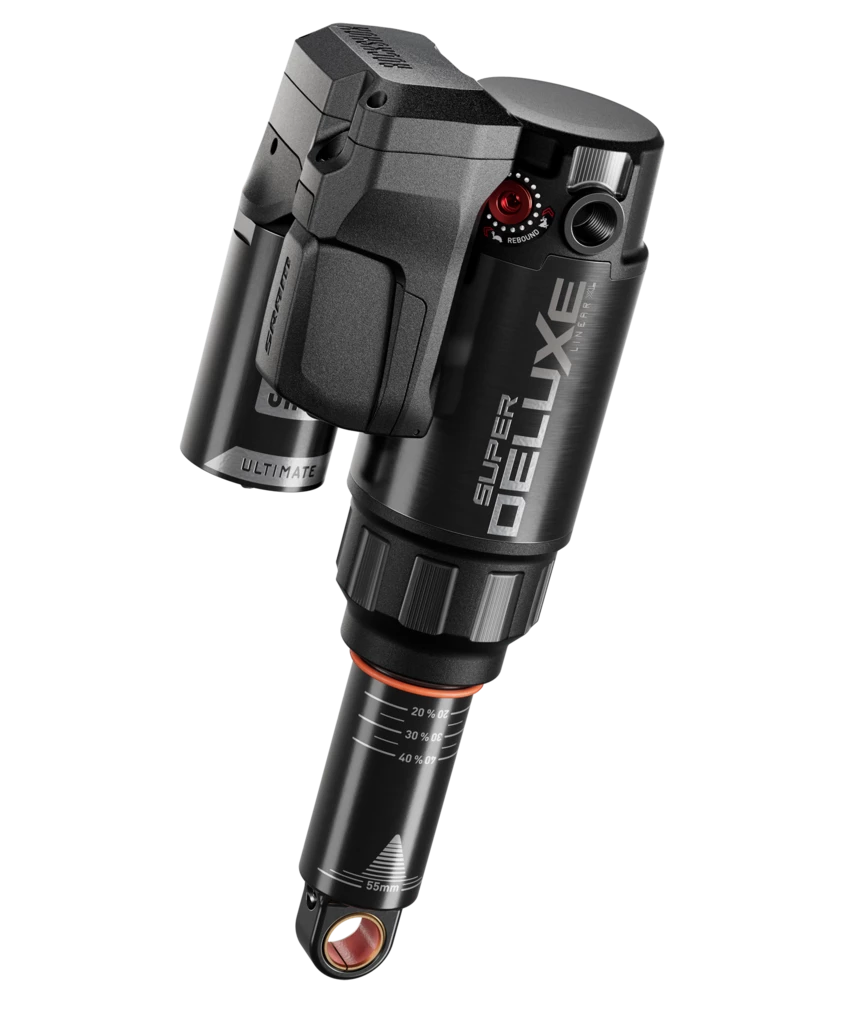
Super Deluxe Ultimate Flight Attendant
€1145Automatic Flight Attendant efficiency on the latest Super Deluxe chassis
Related guides
All guidesSetting Sag
How to properly set up your suspension sag for optimal performance.
Rebound Damping
Mastering the art of return speed for better control and traction.
Compression Damping
Controlling how your suspension compresses
Suspension & Rear Shock Service
Service intervals, maintenance schedules, and DIY vs professional guidance.
Frequently asked questions
How should you choose rear shocks for trail riding?
Start with terrain, target speed, and compatibility constraints. Then choose the level of support, stiffness, comfort, or power that actually fits your bike and riding style.
Do you need the most expensive option?
Not necessarily. The right choice is the one that delivers the performance, adjustment range, and reliability your riding actually uses. Mid-tier options often offer the best balance of cost, serviceability, and ride quality.
When should you optimize setup instead of replacing the component?
If your current part is compatible and mechanically healthy, better setup, pressure, bleeding, servicing, or cockpit tuning may solve the problem before a replacement is needed.