
Forks
Front suspension optimized for your terrain and riding style
How to choose the right forks
Forks for trail riding need to match terrain, speed, and the level of support or control you actually want. This page brings together 12 options from 4 brands so you can compare real differences in ride feel, reliability, and value.
Front suspension optimized for your terrain and riding style Observed pricing runs from about EUR 710 to EUR 1999 depending on construction and tier.
Brand
Travel
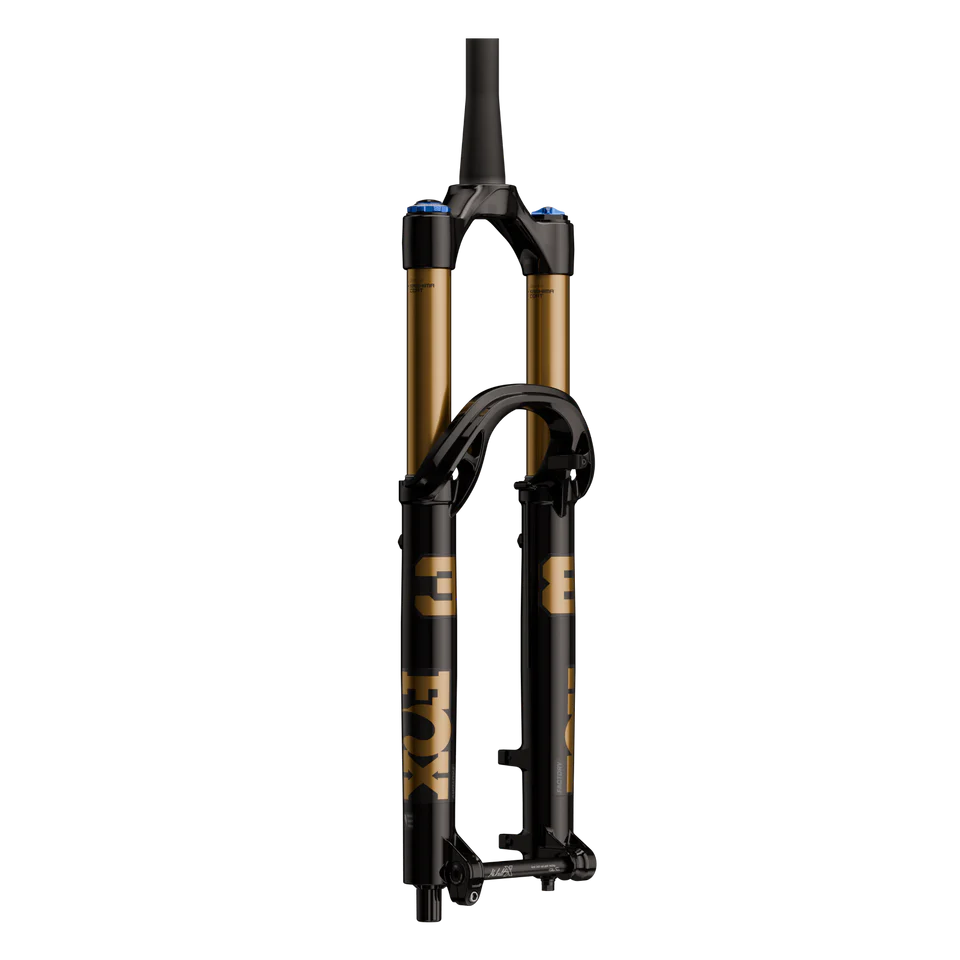
36 Factory
€1125The apex of all-mountain with gravity-focused GRIP X2
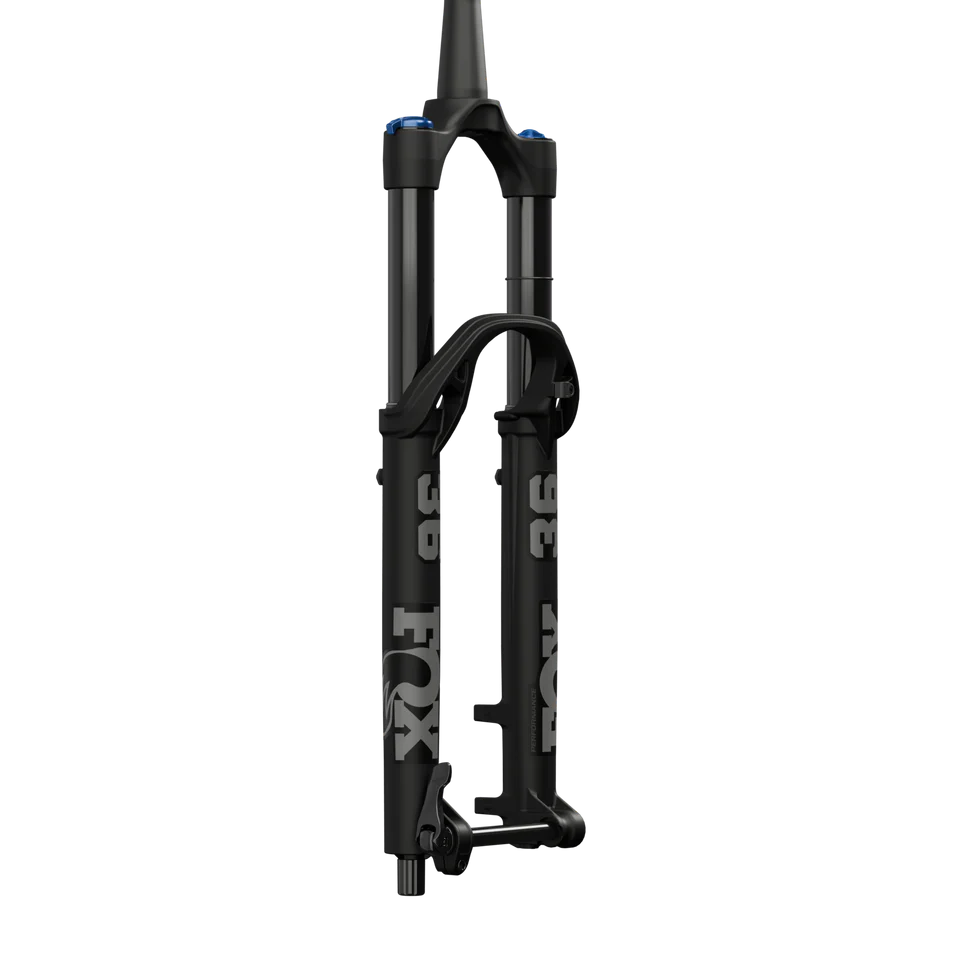
36 Performance
€710Essential all-mountain performance
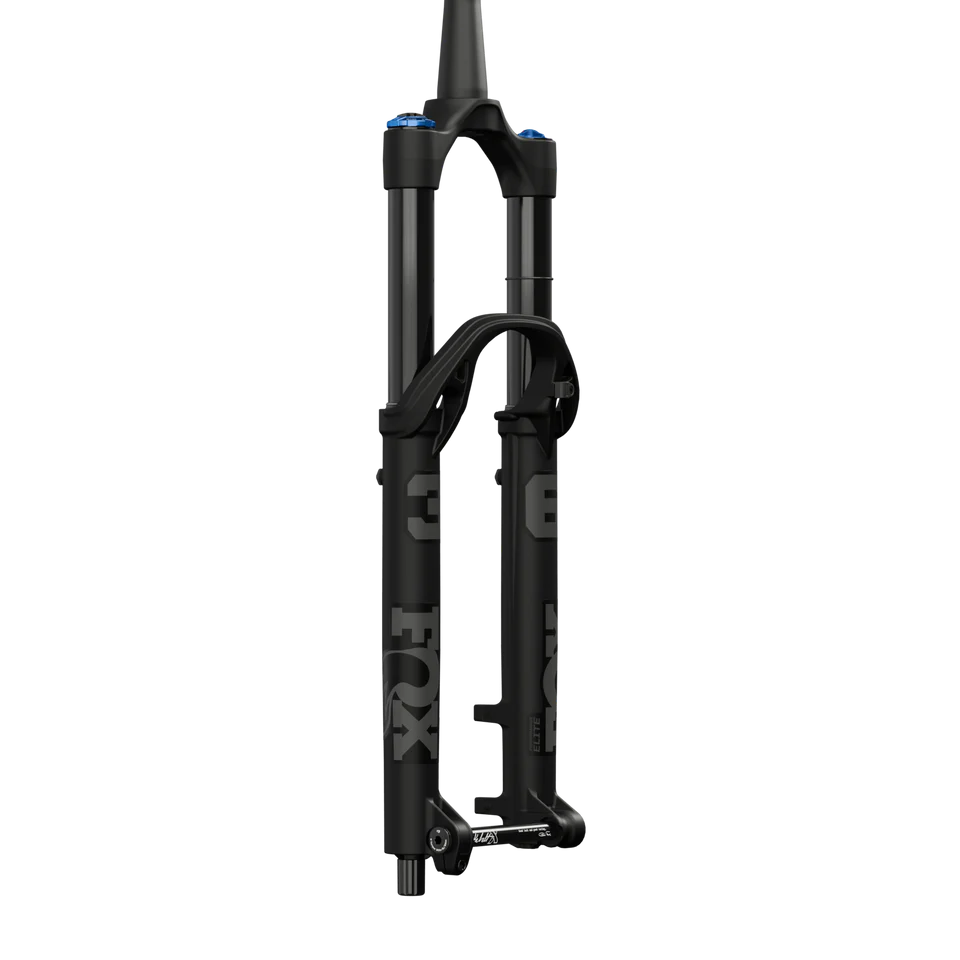
36 Performance Elite
€1000Trail-focused performance with GRIP X damper
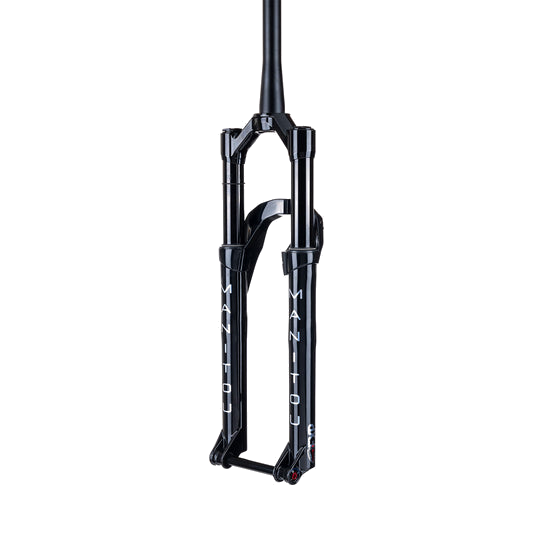
Mattoc Expert
€887Lighter, stiffer, more tunable - The people's fork
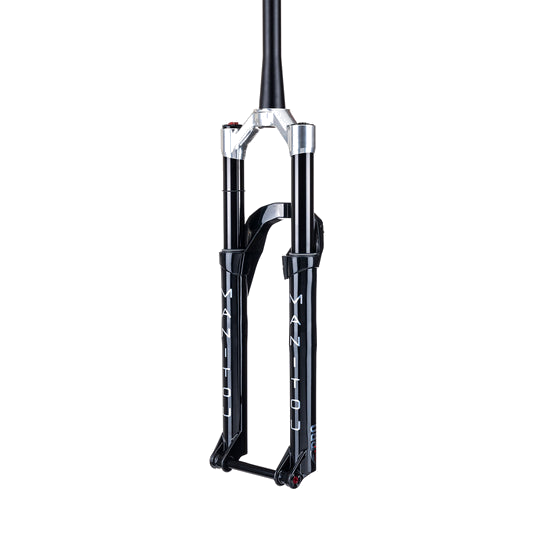
Mattoc Pro
€1164Versatile trail fork - XC weight with light Enduro capability
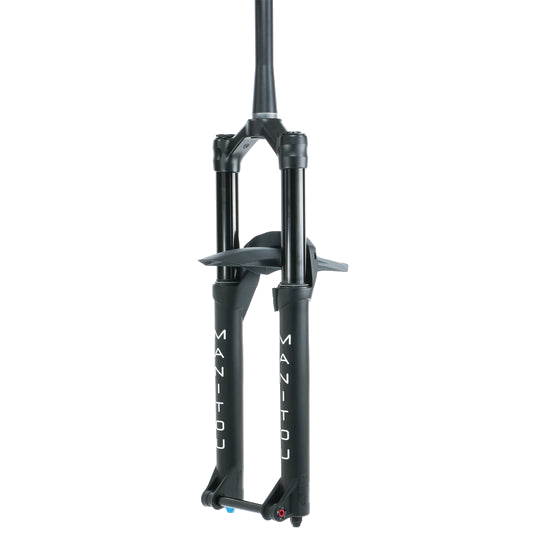
Mezzer Expert
€943Smart choice for Enduro with home mechanic approved adjustability
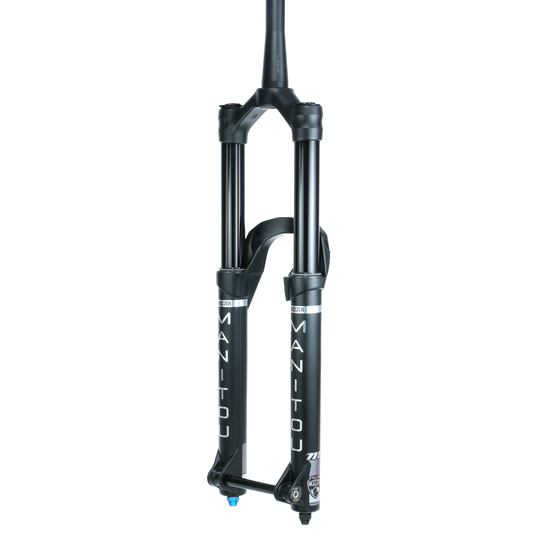
Mezzer Pro
€1220The stiffest and lightest Enduro fork on the market
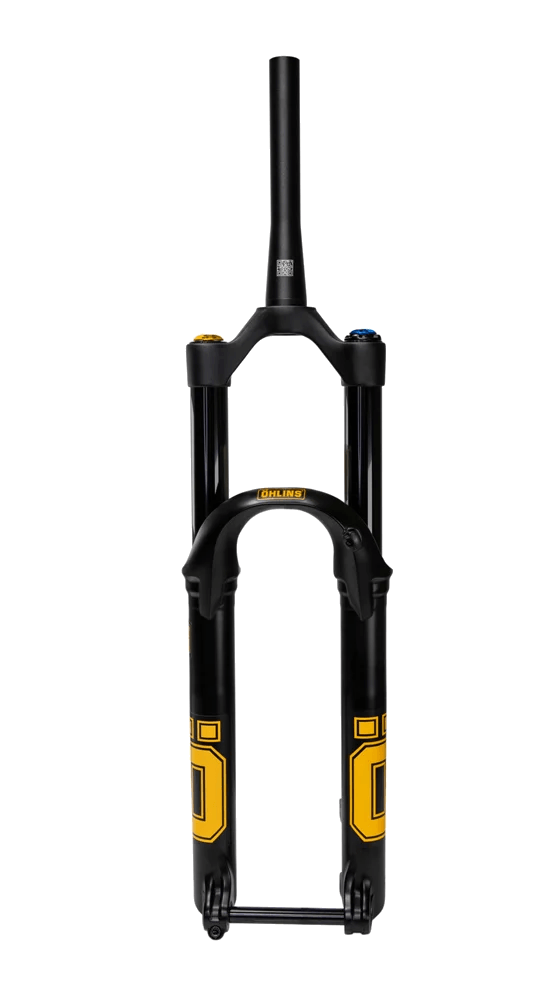
RXF36 m.3 Air
€1899Race-proven TTX18 damping for demanding trail performance
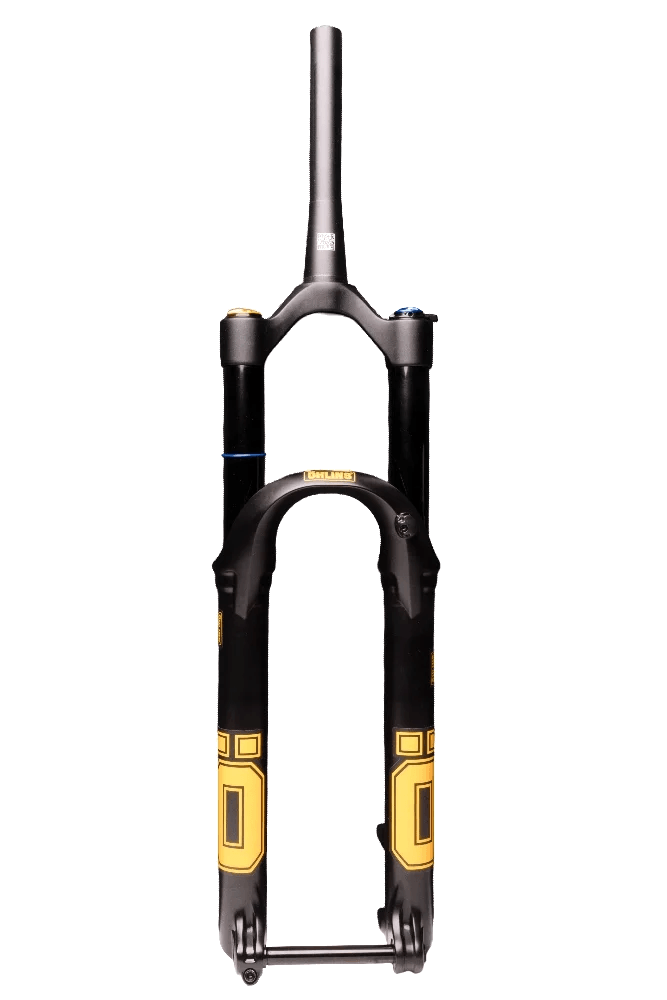
RXF36 m.3 Coil
€1999TTX18 damping with legendary coil spring sensitivity
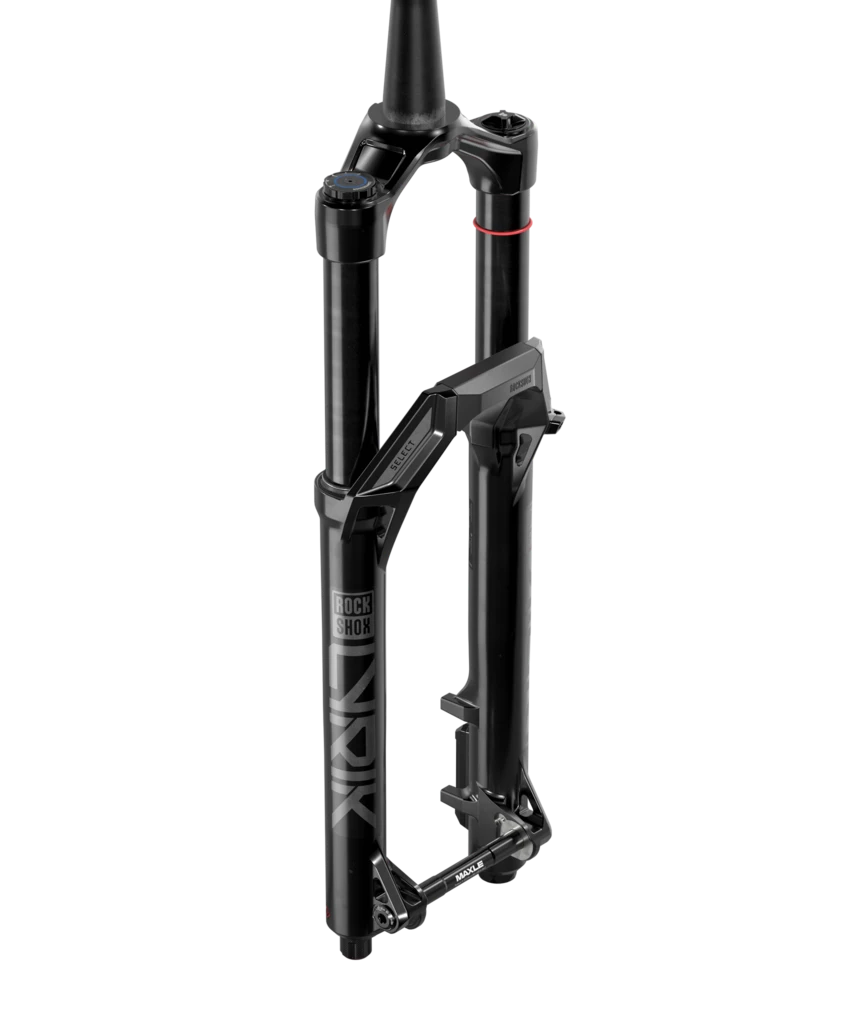
Lyrik Select
€1015Versatile trail performance at an accessible price
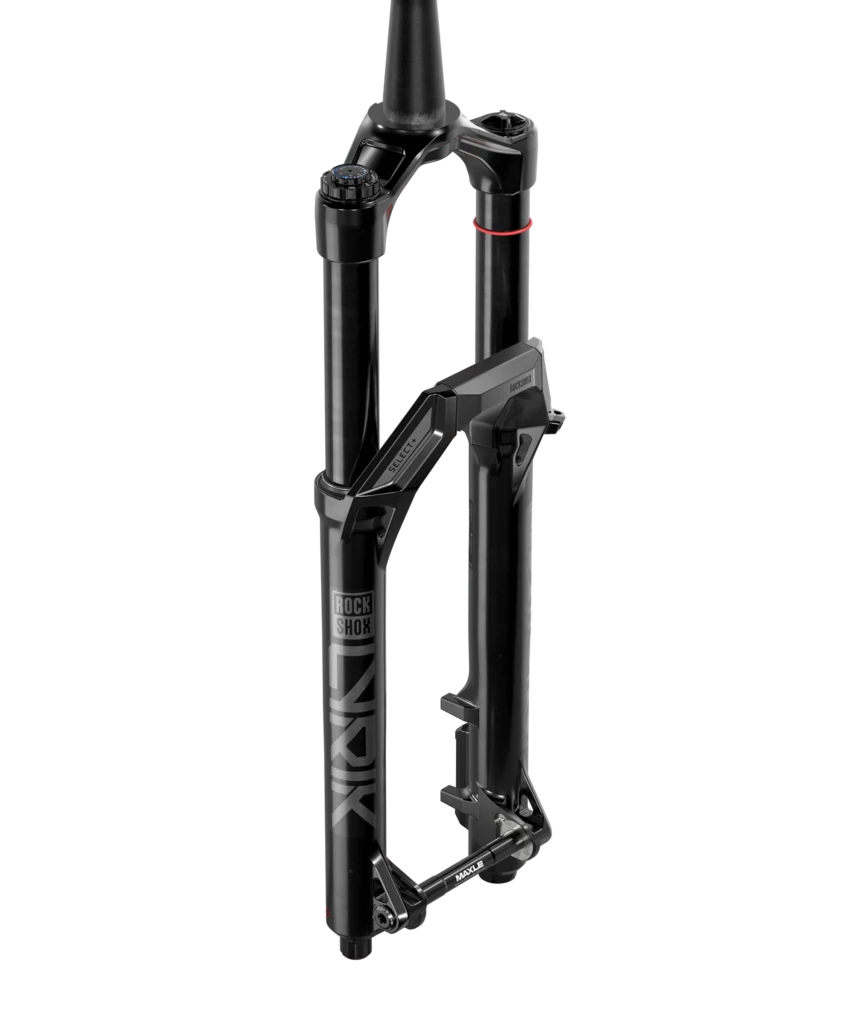
Lyrik Select+
Versatile trail and enduro performance with LinearXL and Charger 3.2
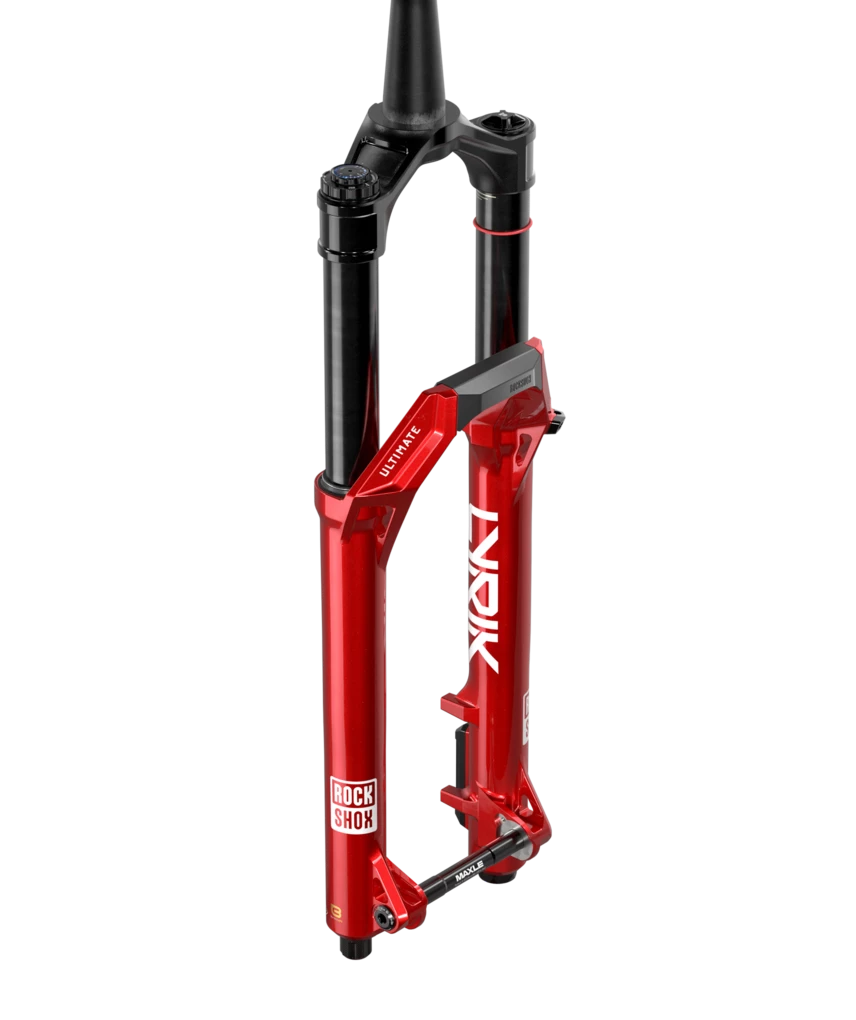
Lyrik Ultimate
€1375Light where it counts, ruthless on the descents
Related guides
All guidesSetting Sag
How to properly set up your suspension sag for optimal performance.
Component Compatibility
Avoid expensive fit mistakes between forks, wheels, tires, and cockpit parts before you buy.
Rebound Damping
Mastering the art of return speed for better control and traction.
Compression Damping
Controlling how your suspension compresses
Suspension & Rear Shock Service
Service intervals, maintenance schedules, and DIY vs professional guidance.
Frequently asked questions
How should you choose forks for trail riding?
Start with terrain, target speed, and compatibility constraints. Then choose the level of support, stiffness, comfort, or power that actually fits your bike and riding style.
Do you need the most expensive option?
Not necessarily. The right choice is the one that delivers the performance, adjustment range, and reliability your riding actually uses. Mid-tier options often offer the best balance of cost, serviceability, and ride quality.
When should you optimize setup instead of replacing the component?
If your current part is compatible and mechanically healthy, better setup, pressure, bleeding, servicing, or cockpit tuning may solve the problem before a replacement is needed.