
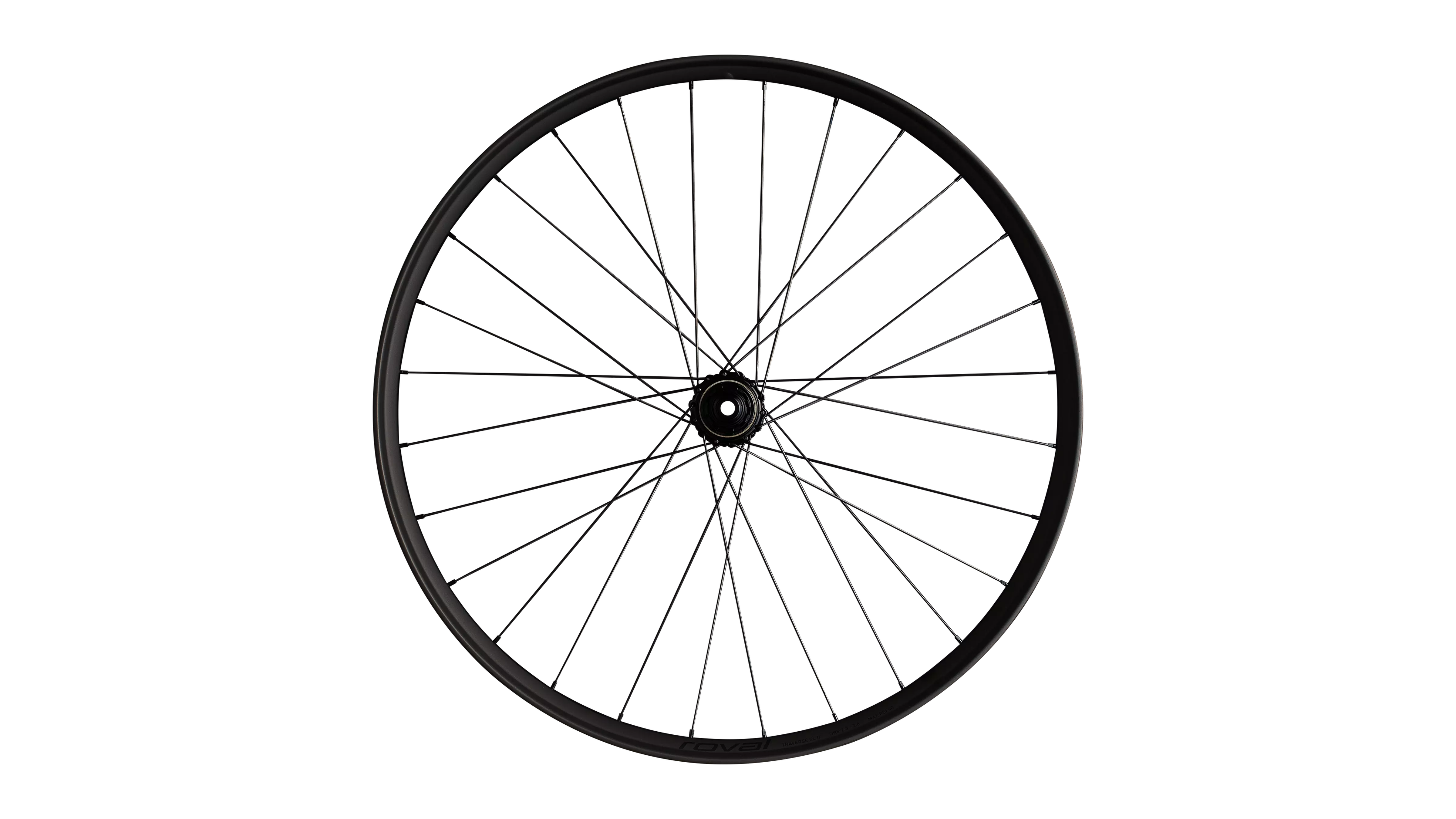
Roval Traverse SL II Hydra2
Ultra-light trail carbon wheel with Industry Nine Hydra2 hub
Specifications
- Wheel Size
- 29"
- Rim Inner Width
- 30mm
- Rim Depth
- 20mm
- Weight
- 1757g (front 795g + rear 962g, with tape and valves)
- Axle
- Front: 15x110mm Boost, Rear: 12x148mm Boost
- Spokes
- 28H front and rear
- Hub Engagement
- 0.41° / 145T — Industry Nine Hydra2
Overview
The Roval Traverse SL II Hydra2 is Specialized's premier lightweight trail carbon wheelset. Four key innovations define it: front and rear rims optimized individually for +15%/+25% strength gains, a shallow rim geometry for 21% more vertical compliance, "ankling" bead geometry for superior traction and grip, and the FlatStop bead requiring 85% more force to pinch flat. The Industry Nine Hydra2 hub with 145 teeth and 0.41° engagement provides near-instant power pickup. Limited lifetime warranty when registered within 90 days.
Features
Traverse SL II asymmetric carbon rims (front + rear tuned individually)
Industry Nine Hydra2 hub — 145T / 0.41° engagement
15% stronger front rim, 25% stronger rear rim vs previous gen
21% more vertical compliance for bump absorption
FlatStop bead design — 85% more force to pinch flat
Roval ThreadBed valve eliminates valve nut air loss
DT Swiss Revolite spokes
E-bike approved, 125kg weight limit
Lifetime rim warranty (register within 90 days)
Guides for setup
All guidesWheel Maintenance
Truing, spoke tension management, and hub service — keep your wheelset race-ready and fatigue-free.
Component Compatibility
Avoid expensive fit mistakes between forks, wheels, tires, and cockpit parts before you buy.
Tire Selection & Setup
Choosing the right tread, compound, and pressure for your terrain.
Tubeless Maintenance
Keeping your tubeless setup reliable and performing
Tire Inserts
When inserts help, what they cost in weight and feel, and how to choose the right level of support.
How we evaluate this component
Product cards, analysis notes, and setup guidance are grounded in public specifications, market positioning, compatibility, and the most likely real-world use cases on trail.
Read the full methodology